


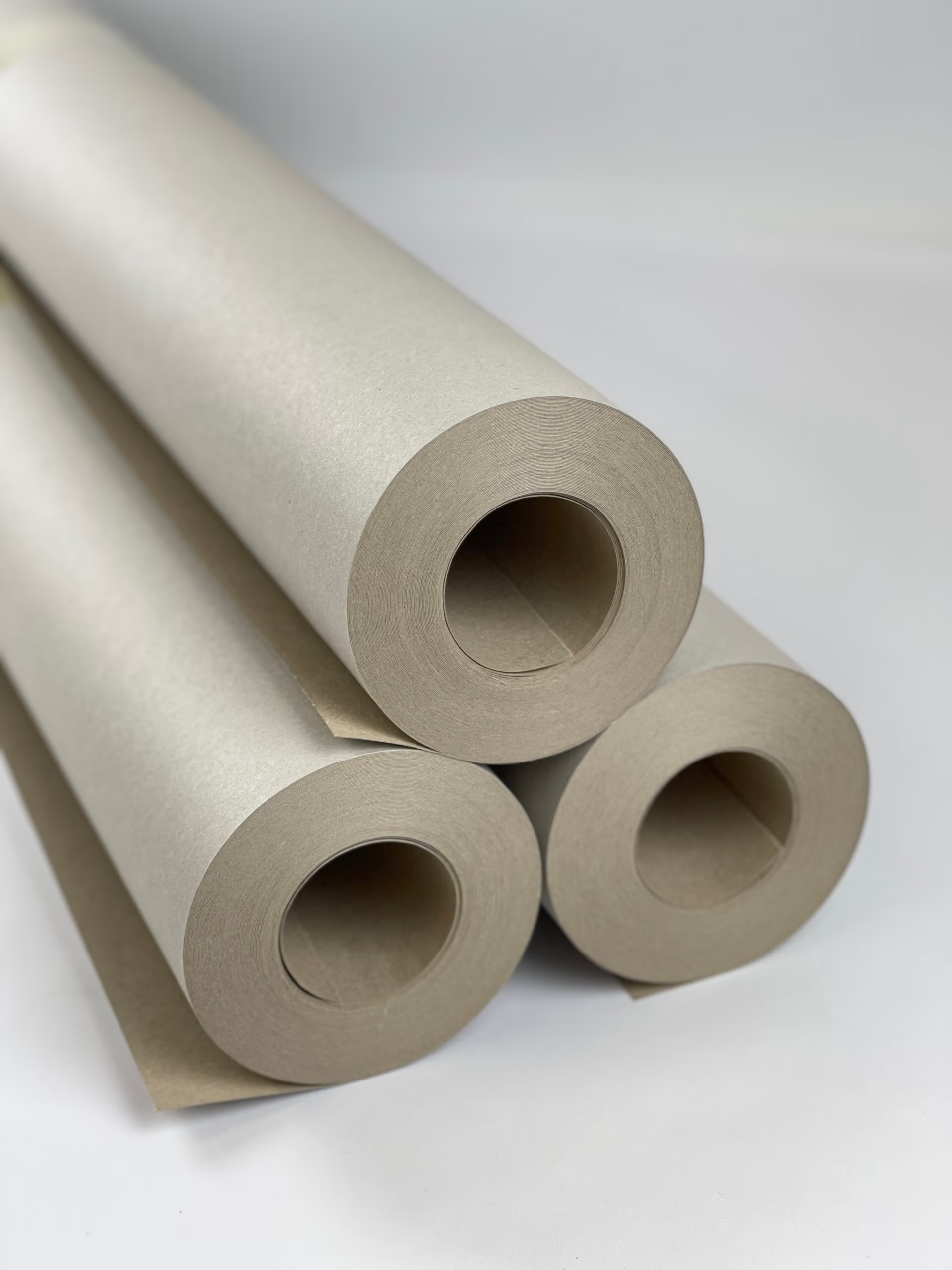
Construction, Painting and Varnishing Paper for Surface Protection
Construction and varnishing paper is a group of protective papers used in renovations, finishing work, painting, varnishing, assembly, production and service. They are used for temporary protection of floors, stairs, worktops, varnished elements, machines, workstations and surfaces exposed to dirt or damage.
The selection of protective paper should take into account the surface type, nature of work, level of dirt, moisture risk, tear resistance, roll width, winding length, grammage and application method.
When to Choose Construction, Painting or Varnishing Paper?
Protective paper is worth choosing when a surface requires temporary protection, and the material should be quick to apply, easy to unroll, simple to cut and convenient to remove after work is completed.
Most common applications:
- floor protection during renovations,
- stair and walkway protection,
- worktop, table and workstation protection,
- surface protection against paint, dust and dirt,
- element masking during varnishing,
- machine, part and production element protection,
- assembly and service work,
- surface protection in warehouse or internal transport.
Product Range
| Product | Typical Application | Form |
|---|---|---|
| Construction paper | floor, stair and walkway protection | rolls or sheets |
| Painting paper | surface protection against paint, dust and dirt | protective rolls |
| Varnishing paper | masking and protection during varnishing | rolls matched to workstation |
| Masking paper | element protection during finishing and service work | rolls, formats or sheets |
| Protective kraft paper | technical protection and work packaging | rolls or sheets |
| Waterproof/barrier paper | protection in more difficult working conditions | coated variants |
Applications of Protective Papers
| Application Area | Example Use | Key Benefit |
|---|---|---|
| Construction and renovations | floor, stair, walkway and work surface protection | reduced dirt and damage |
| Painting work | protection against paint, dust and dirt | quick application on large surfaces |
| Paint shops | masking and protection of elements during varnishing | work zone control |
| Production | worktop, part, machine and workstation protection | element protection in process |
| Service and assembly | temporary surface protection during technical work | reduced dirt risk |
| Warehouse | interleaving, covering and element protection | product and surface protection |
| E-commerce and packaging | work protection of products and workstations | universal auxiliary material |
Construction Paper
Construction paper is mainly used for surface protection during renovations, finishing work, assembly and technical operations. It can protect floors, stairs, walkways, worktops and other surfaces from dust, dirt, scuffs or light mechanical damage.
Typical construction paper applications:
- floor protection,
- stair protection,
- walkway covering,
- worktop protection,
- element protection during assembly,
- renovation and finishing work,
- surface protection in utility buildings.
Painting Paper
Painting paper is used for surface protection during painting, puttying, decorative and finishing work. It works well where protection against paint, dust, dirt and fine debris is needed.
It can be used for protecting:
- floors,
- skirting boards,
- window sills,
- worktops,
- furniture,
- doors,
- equipment elements,
- work surfaces.
Varnishing Paper
Varnishing paper is used in varnishing work, masking and protecting elements that should not be coated with varnish, paint or other work material. The choice of variant depends on the workstation, type of work and required protection level.
It works well for:
- varnishing elements,
- masking selected surfaces,
- protecting varnishing workstations,
- service work,
- protecting parts and components,
- surface protection against work debris.
Masking Paper
Masking paper is used for temporary covering of surfaces, elements or work zones. It can be used in paint shops, workshops, production, service and finishing work.
Most common applications:
- masking elements before varnishing,
- surface protection against dust,
- protection during service work,
- element protection during assembly,
- work surface separation,
- protection of product fragments in process.
Kraft, Waterproof and Barrier Paper
Depending on working conditions, kraft paper, coated paper, waterproof variant or barrier material can be selected. These types of papers work well where standard protective paper may be insufficient.
| Variant | When to Choose | Characteristics |
|---|---|---|
| Kraft paper | standard protection, work packaging, surface protection | durable and universal |
| Coated paper | contact with dirt or need for better barrier | higher surface resistance |
| Waterproof paper | risk of moisture or contact with wet environment | better protection in more difficult conditions |
| Barrier paper | need to limit penetration of dirt, moisture or grease | selection for specific process |
| Technical paper | production, service, work operations | parameters set individually |
How to Select Protective Paper?
The selection of construction, painting or varnishing paper should be based on the surface, type of work and level of protection required by the process.
Key parameters:
-
Surface type
Different requirements apply to floors, worktops, varnished elements, machines, stairs or technical surfaces. -
Type of work
Paper can be selected for renovation, painting, varnishing, assembly, service, production or warehouse protection. -
Material width
Roll width should limit excessive trimming and speed up application on the surface. -
Winding length
Longer winding works well for frequent use and larger surfaces; shorter for point or workstation work. -
Grammage
Grammage affects stiffness, tear resistance and surface protection level. -
Moisture or dirt resistance
For more difficult conditions, consider coated, waterproof or barrier variants. -
Delivery form
Paper can be supplied in rolls, sheets or a format matched to the customer’s process.
Protective Rolls for Construction and Varnishing Work
Protective rolls are convenient for protecting larger surfaces, workstations and repeatable processes. They enable quick material unrolling and length adjustment to current needs.
Rolls work well for:
- floor protection,
- corridor and walkway protection,
- covering worktops,
- workbench protection,
- element masking,
- paint shop work,
- production workstation protection,
- renovation and assembly work.
Protective Paper Sheets
Protective paper sheets are worth using when the process requires a repeatable format or quick retrieval of ready material sections. This is a good solution for production, paint shops, service workstations and warehouses.
Sheets work well for:
- protecting repeatable elements,
- worktop and work surface protection,
- product interleaving,
- technical packaging,
- work on production workstations,
- material preparation for a standard process.
Protective Paper vs Protective Film
Protective paper can be an alternative or supplement to protective film. The choice depends on the type of work, surface and expected protection.
| Material | When to Choose | Main Benefit |
|---|---|---|
| Protective paper | renovations, painting, varnishing, work operations | easy application and format customization |
| Kraft paper | packaging, protection, technical applications | greater strength than lightweight paper |
| Barrier paper | moisture, grease, dirt, more difficult conditions | additional protective function |
| Protective film | need for water resistance or transparency | protection for specific surfaces |
| Cardboard / board | greater mechanical protection | stiffness and pressure resistance |
Contract Packing Possibility
Construction, painting, varnishing and masking paper can be prepared in a format matched to the customer’s process. Depending on material and availability, format, width or contract packing method can be customized.
Possible related services:
- roll rewinding,
- winding,
- slitting,
- paper sheet cutting,
- format cutting,
- material contract packing,
- batch packaging for the customer’s process.
Typical Problems Solved by Protective Paper
| Problem | How Construction, Painting or Varnishing Paper Helps |
|---|---|
| Surface gets dirty during work | paper creates a protective layer |
| Work generates dust and dirt | paper limits contact of dirt with the substrate |
| Paint or varnish may go beyond the work area | paper helps mask and cover surfaces |
| Floor or worktop is exposed to scuffs | thicker paper can limit minor damage |
| Standard format does not fit the workstation | width, winding or sheets can be selected |
| Moisture hinders surface protection | barrier or waterproof variant can be considered |
| Work requires quick material unrolling | protective rolls speed up application |
Who Is Construction and Varnishing Paper For?
Construction, painting and varnishing paper is intended for companies that protect surfaces during renovation, production, service or technical work.
It is most commonly used by:
- renovation companies,
- construction companies,
- paint shops,
- workshops,
- manufacturing plants,
- assembly companies,
- technical services,
- warehouses,
- maintenance departments,
- packaging companies,
- online stores,
- manufacturers of varnished elements,
- companies performing finishing work.
What Information to Provide Before Pricing?
To select the right protective paper, describe the surface, working conditions and expected material form.
When inquiring, provide:
- type of work: construction, renovation, painting, varnishing, production or service,
- surface to be protected,
- expected roll width or sheet format,
- preferred winding length,
- required grammage, if known,
- whether the material should be resistant to moisture or dirt,
- whether kraft, barrier, waterproof or coated paper is needed,
- quantity,
- application method,
- whether the material will be used once or regularly.
Construction and Varnishing Paper — FAQ
What is construction paper used for?
Construction paper is used for protecting floors, stairs, walkways, worktops and work surfaces during renovations, assembly and finishing work.
What is painting paper used for?
Painting paper protects surfaces from paint, dust, dirt and debris generated during painting, puttying and decorative work.
What is varnishing paper used for?
Varnishing paper is used for masking and protecting surfaces during varnishing work. It helps protect elements that should not be coated with varnish or paint.
Can protective paper be supplied in rolls?
Yes. Construction, painting, varnishing and masking paper can be supplied in rolls matched to the workstation, surface or application method.
Can protective paper be prepared in sheets?
Yes. For repeatable processes or specific workstations, protective paper can be prepared in sheets or formats agreed with the customer.
Are waterproof or barrier variants available?
Yes, depending on the application and availability, coated, waterproof or barrier variants intended for more difficult working conditions can be selected.
Order Construction, Painting or Varnishing Paper
Need paper for surface protection during renovation, painting, varnishing, production or service work? Describe the surface, type of work, usage conditions, expected width, grammage and quantity. We will select protective paper for your process.